
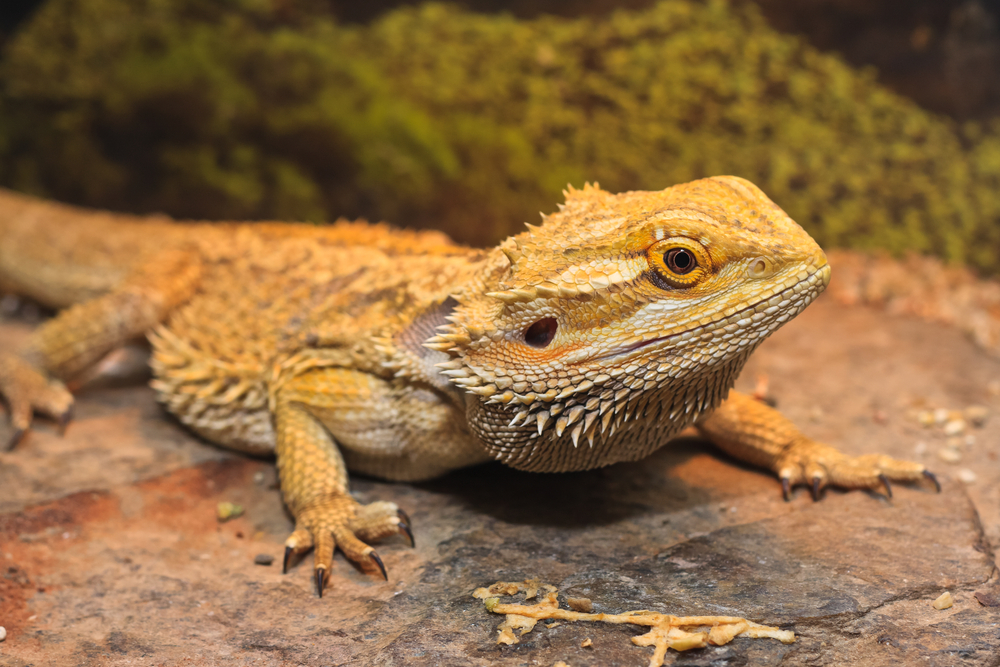
Bearded Dragon Care Guide
Housing
The minimum enclosure size we recommend for an adult bearded dragon is:
Length: 4ft × Depth: 2ft × Height: 2ft (48” × 24” × 24”).
One of the most popular vivariums of this size is the Vivexotic AAL Bearded Dragon Vivarium.
This is a minimum, not a maximum! If you have the space and budget to go bigger, we would always encourage it. Bearded dragons are surprisingly active animals and will make good use of the additional space. A larger enclosure also gives you more room to create an appropriate temperature gradient, provide different basking areas and introduce additional enrichment.
Bearded dragons grow extremely quickly, with most reaching their adult size at around 12–18 months, although this can vary between individuals. Because of this, we strongly advise against buying a smaller enclosure with the intention of upgrading later. Starting with the correct size from the beginning will generally save you money in the long run and, more importantly, makes it much easier to provide the correct environment from day one.
A properly sized enclosure allows you to create a hot basking area at one end and a cooler area at the other. This temperature gradient is essential, as bearded dragons rely on their surroundings to regulate their body temperature.
Good ventilation is equally important. Your vivarium should be secure, well ventilated and easy to clean, with enough room for your dragon to move around freely.
Lighting & Equipment
Bearded dragons are fully diurnal animals, meaning they are active during the day. In the wild, they spend much of their waking hours exposed to natural sunlight, using it to regulate their body temperature and obtain the UVB they need to remain healthy.
Because of this, lighting is one of the most important aspects of bearded dragon husbandry. Providing the correct UVB, visible light and heat is essential for maintaining good health, supporting calcium metabolism and allowing natural behaviours.
Bearded dragons do not need a completely dark end of the enclosure during the day. However, they should always have access to shaded areas and hides so they can move away from direct light and heat whenever they choose.
We recommend a consistent day/night cycle of approximately 12 hours of light and 12 hours of darkness. All visible lighting, including basking bulbs and supplementary LED lighting, should be switched off at night. A timer is a great way to keep this routine consistent.
UVB Lighting
UVB is absolutely essential for bearded dragons. Without adequate UVB exposure, they cannot produce sufficient vitamin D3, which is needed to absorb and utilise calcium correctly. A long-term deficiency can lead to metabolic bone disease (MBD), which can cause serious and sometimes permanent health problems.
For a standard 4ft × 2ft × 2ft vivarium, we recommend a quality T5 high-output UVB lighting system, such as:
- Arcadia ProT5 kits.
- Reptile Systems ECO Units
A 12% UVB tube is a common starting point for this size of enclosure, with 14% options available for particular setups. The correct choice depends on the distance between the bulb and the basking position, the reflector, any protective mesh and the UV output reaching the animal.
It is important to remember that the percentage printed on a UVB bulb does not tell you exactly how much UVB your bearded dragon is receiving. Ideally, UV output should be checked using a UV Index (UVI) meter. A basking zone UVI of approximately 3–5 is a commonly recommended target, with access to lower UV levels and shade elsewhere in the enclosure.
UVB bulbs also lose output over time, even when they are still visibly producing light. Always follow the manufacturer’s replacement recommendations and check output where possible.
Supplementary Lighting
Bearded dragons benefit from good levels of visible light as well as UVB. Adding supplementary lighting, such as LED strip lights, can help brighten the enclosure and create a more natural daytime environment.
Products such as White Python Daylight White LED strips are a useful option.
We particularly recommend considering supplementary lighting in larger vivariums, where a single UVB tube and basking bulb may not provide sufficient visible light throughout the enclosure.
Remember that LED lighting is not a replacement for UVB. Both serve different purposes and should be provided appropriately.
Heating
Getting the heating right is just as important as providing the correct lighting.
Bearded dragons are ectothermic, meaning they rely on external heat sources to regulate their body temperature. They need a suitable temperature gradient within their enclosure, allowing them to move between warmer and cooler areas as required.
Any heat source used must be appropriately thermostatically controlled to prevent overheating and accidental injury.
Basking Temperature
The basking area is the surface directly beneath the basking lamp where your bearded dragon will sit to warm up.
We recommend aiming for a basking surface temperature of approximately 40–42°C. The cooler end of the enclosure should generally sit around 22–26°C during the day.
These temperatures allow your bearded dragon to warm up properly while still having somewhere cooler to retreat to.
A dimming thermostat is essential for controlling your basking bulb. We recommend using a suitable Microclimate or Habistat thermostat with dimming capabilities.
Heat Sources
Bearded dragons need a visible-light-producing basking bulb as their primary daytime heat source. This provides both the heat and bright light associated with their natural basking behaviour.
We recommend a suitable basking lamp anywhere between 75w-150w as a starting point for a standard 4ft × 2ft × 2ft vivarium. The wattage required will depend on the room temperature, enclosure construction, ventilation, lamp distance and the temperatures you are trying to achieve.
Ceramic heat emitters (CHEs) and heat mats should not be used as the primary daytime heating source. They do not provide the visible light or basking conditions that bearded dragons require.
Measuring Temperatures
The best way to measure basking temperatures is with an infrared thermometer. This allows you to check the actual surface temperature of basking rocks, branches and other areas throughout the enclosure.
A digital thermometer with a probe is also useful for monitoring the air temperature, particularly at the cooler end.
We recommend monitoring both the basking surface and the cool end rather than relying on a single thermometer. Temperatures should be checked regularly, as changes in room temperature and seasonal conditions can affect your setup.
Night-time Heating
In most homes, additional heating at night is unnecessary, as bearded dragons benefit from a natural drop in temperature when their lights go out.
However, if your room regularly becomes particularly cold overnight, additional heating may be required. A ceramic heat emitter controlled by a suitable pulse thermostat is one option, provided it is set up safely and only used when necessary.
If you do need additional night-time heating, remember that it should not produce visible light, as your bearded dragon still needs a proper dark period.
Always monitor overnight temperatures rather than relying on the temperature of the room alone.
Humidity
General humidity for Bearded Dragons should be in the ranges of 20%-40%, they should never have consistent exposure over 60%, short term humidity exposure (i.e. when substrate is changed) will not cause lasting respiratory issues.
Diet & Feeding Routine
Bearded dragons are omnivores, meaning they eat a combination of live invertebrates and plant matter.
Their nutritional requirements change as they grow, so it is important to adjust their feeding routine as they mature.
As a general guide, younger bearded dragons require a diet containing more livefood, while adults should receive a greater proportion of greens and vegetables.
A useful starting point is:
Young dragons: Approximately 60–65% livefood and 35–40% greens.
Adults: Approximately 40% livefood and 60% greens.
These percentages are general feeding guidelines rather than strict measurements. Individual requirements will vary depending on age, growth, activity and body condition.
We recommend offering fresh greens daily throughout their lives, including when they are very young. Getting them accustomed to eating vegetation early will help establish good feeding habits as they mature.
Live Feeding
Bearded dragons can thrive on a variety of different livefoods. Some of the most popular options include:
- Crickets.
- Locusts.
- Dubia roaches.
- Suitable other feeder insects, offered as part of a varied diet.
Variety is important, as different feeder insects provide different nutritional benefits.
Young bearded dragons under approximately six months old should generally be offered livefood twice a day. As they grow, feeding can be reduced, with juveniles generally moving towards one livefood feeding a day.
Adult bearded dragons need considerably less livefood than babies. Their feeding routine should be adjusted according to their age, size, activity and body condition, rather than simply continuing a juvenile feeding schedule.
Always offer appropriately sized feeder insects for your bearded dragon’s age and size. Insects should be small enough for your dragon to catch, chew and swallow comfortably. The type and shape of the insect should also be considered, as some feeders are easier to consume than others. Avoid excessively large prey, which may increase the risk of choking or digestive difficulties.
As a general guide, offer a suitable amount of appropriately sized livefood over a supervised feeding period of around 10–15 minutes, then remove any uneaten insects.
It is also important to gut-load your feeder insects. This means feeding them a nutritious diet before offering them to your bearded dragon, helping to improve the nutritional value of the insects themselves.
Never leave uneaten crickets or other feeder insects in the enclosure, as they can stress or potentially injure your bearded dragon.
Salad & Vegetation
Fresh greens should be offered every day, regardless of your bearded dragon’s age.
We introduce salad from a very young age and continue providing it throughout their lives. Even if your dragon is more interested in chasing insects, it is important to keep offering fresh vegetation and encourage good eating habits.
We recommend offering a variety of suitable greens and vegetables, including:
- Spring greens.
- Rocket.
- Lamb’s lettuce.
- Watercress.
- Dandelion leaves.
- Opuntia cactus (prickly pear), prepared safely.
- Butternut squash.
- Bell peppers.
- Chicory.
The more variety you can provide, the better. Different vegetables and greens offer different vitamins, minerals and nutritional benefits.
Always wash fresh produce, chop it into appropriately sized pieces and remove uneaten salad regularly to prevent it spoiling.
Some greens should be limited or avoided. Spinach is best avoided because it contains compounds that can interfere with calcium absorption. Large quantities of certain brassica vegetables, including kale, should also be avoided as a regular staple.
Treats
Treat foods should be offered in moderation and should never make up a significant part of your bearded dragon’s diet.
Popular treats include:
- Morio worms.
- Waxworms.
- Fruit beetle grubs.
- Small amounts of suitable fruit.
Some of these foods are particularly high in fat or sugar, so they should only be offered occasionally.
We recommend keeping treats to an occasional reward rather than making them part of the regular feeding routine. Overfeeding high-fat foods can contribute to obesity and associated health problems.
Worms should not be used as the staple livefood for bearded dragons. A varied diet of more suitable feeder insects is much better for their long-term health.
Water
Fresh, clean drinking water should always be available.
We recommend providing a shallow water dish in the cooler area of the vivarium. Change the water daily and immediately if it becomes contaminated with food, substrate or waste.
Although bearded dragons obtain a considerable amount of moisture from their food, access to drinking water should never be overlooked.
Supplementation
Supplementation is an important part of bearded dragon care. Livefood and vegetation should be appropriately supplemented to help provide the vitamins and minerals your dragon needs.
There are several reputable brands available, with popular options including:
- Arcadia EarthPro-A.
- Arcadia CalciumPro-Mg.
- Vetark Nutrobal.
- Zoo Med Calcium without D3.
- Zoo Med ReptiVite.
There are different ways to supplement bearded dragons, and the correct routine will depend on the products being used, the quality of the UVB setup and the individual animal’s requirements.
Our original recommended rotation was:
- Days 1 & 2 – Calcium supplement.
- Day 3 – Multivitamin.
- Days 4 & 5 – Calcium supplement.
- Day 6 – Multivitamin.
- Day 7 – Calcium supplement.
However, this should not be treated as a universal schedule. Different supplements contain different ingredients and concentrations, so always follow the manufacturer’s instructions and avoid combining products that may result in excessive vitamin or mineral intake.
Particular care should be taken with vitamin D3. When a bearded dragon has an appropriately set-up UVB system, additional dietary D3 may not be required at high levels. Excessive D3 supplementation can be harmful.
If your dragon has a diagnosed deficiency or other health issue, supplementation should be discussed with a reptile-experienced vet.
For more information about bearded dragon nutrition, we recommend visiting thebeardeddragon.org.
Décor & Substrate
Décor & Enrichment
Décor is not just there to make your vivarium look attractive. It plays an important role in your bearded dragon’s physical and mental wellbeing.
In the wild, bearded dragons climb, explore, bask, hide and move around their environment throughout the day. We should aim to provide opportunities for these natural behaviours in captivity.
One of the most important pieces of décor is a raised basking platform positioned directly beneath the basking lamp. This allows your dragon to get closer to the heat source and reach the correct basking temperature.
Natural branches, rocks, logs and climbing structures are also great additions. They encourage movement, climbing and exercise, helping to keep your dragon active and physically fit.
You can also introduce artificial plants and decorative features to create shaded areas and additional places to explore.
We recommend providing secure hides at both the warm and cool ends of the vivarium. This gives your bearded dragon somewhere to retreat when it wants privacy or needs to move away from the heat.
Always make sure décor is stable, securely positioned and free from sharp edges or anything that could fall and injure your animal.
Substrate
Loose substrate has been a controversial subject within the reptile-keeping hobby for a long time, largely because of concerns surrounding impaction.
However, loose substrate is not automatically unsafe for every bearded dragon. The risk of impaction is influenced by several factors, including the animal’s health, hydration, diet, temperatures and general husbandry.
For healthy, established bearded dragons kept under appropriate conditions, suitable loose substrates can provide excellent enrichment. They allow natural digging behaviours and help create a more naturalistic environment.
We recommend looking at reptile-specific clay-based or sand/soil substrates, such as ProRep Beardie Life, provided they are appropriate for your animal and used according to the manufacturer’s instructions.
It is important to remember that loose substrate is not suitable for every individual. Young, sick, dehydrated or poorly established dragons may need a different substrate, and any animal showing signs of digestive problems should be assessed by a reptile-experienced vet.
Always avoid Calci-sand and other calcium-enriched substrates. These products can encourage animals to ingest substrate, and ingestion can contribute to digestive blockages.
We also recommend avoiding wood-chip-style substrates, as well as crushed walnut, corn cob and other loose materials that can cause problems if accidentally swallowed.
If you prefer not to use loose substrate, textured slate or suitable solid flooring can be used. However, we would still recommend providing a separate digging area to allow your dragon to display natural behaviours.
Ultimately, the aim is to provide a safe, clean and enriching environment that allows your bearded dragon to behave as naturally as possible.